
Actualités
63% of French-speaking Swiss consumers are ready to contact a brand on WhatsApp
63% of consumers in French-speaking Switzerland say they are ready to contact a brand on WhatsApp, and 89% see it as a replacement for their current channels. Results of the first representative regional study, presented at the Conversational Marketing Talks.

The first representative study on the subject in French-speaking Switzerland: 416 respondents, summer 2026. The figures are clear. Demand for WhatsApp as a customer relations channel exists, and it is under-served. What companies in the region do with that gap will determine their position over the next two years.
The results were presented exclusively at the Conversational Marketing Talks, on 8 September 2026 at SPACES Geneva, in front of around sixty marketing and customer relations professionals.
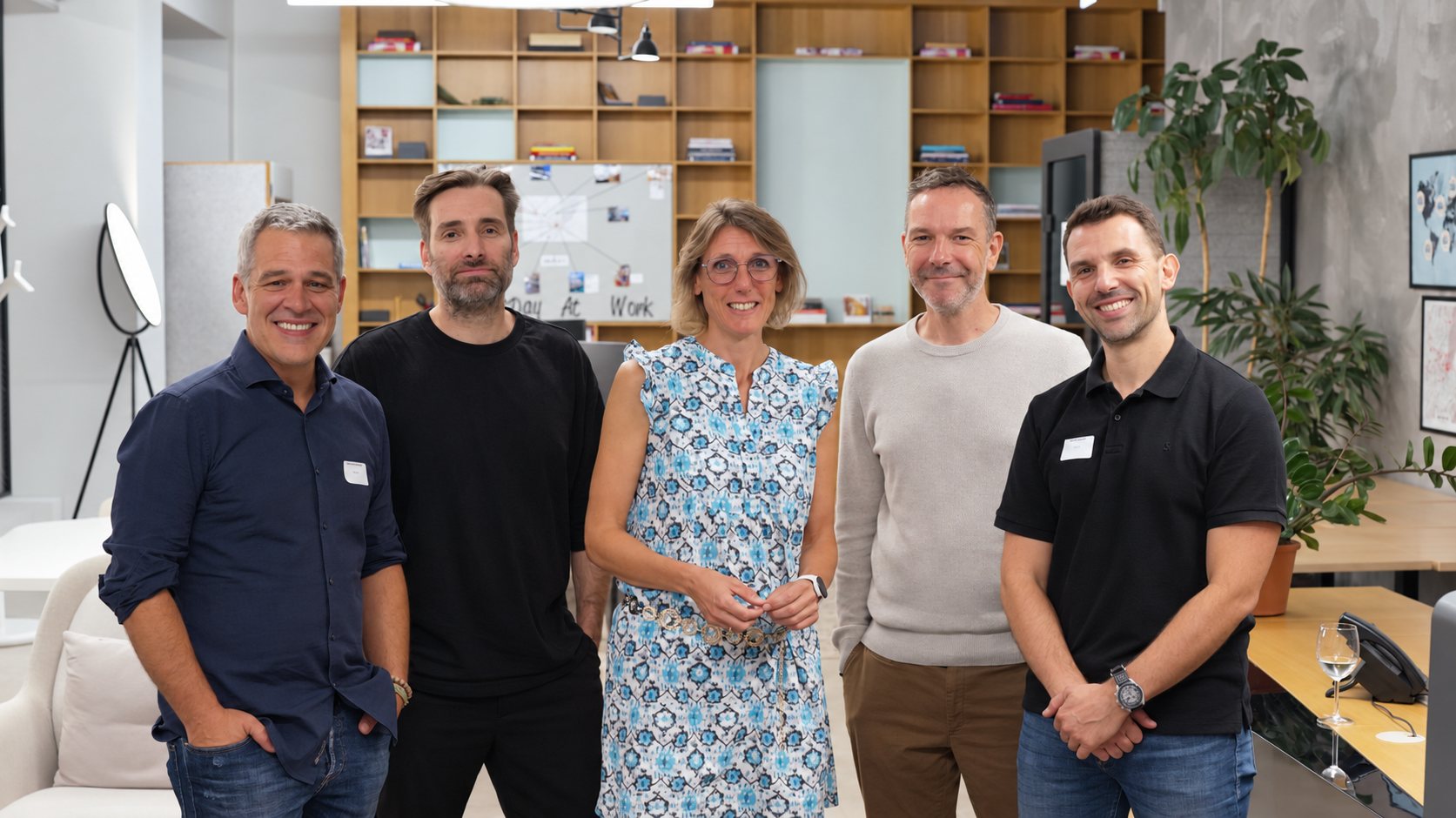
The speakers at the Conversational Marketing Talks, 8 September 2026 at SPACES Geneva.
Six irritants that define customer relations today
Before measuring expectations, Capra Alta measured experience. The conclusion leaves little room for doubt: consumers in French-speaking Switzerland describe contact with brands as barely acceptable.
Six frictions dominate:
- 33%: too many passwords to manage across channels
- 32%: receiving messages seen as pointless
- 29%: having to repeat themselves at every interaction
- 20%: information scattered across several channels
- 19%: response times that are too long
- 14%: uncertainty about which channel to use
What these six points have in common: complexity and fragmentation. Consumers are not rejecting brands, they are rejecting pointless friction. A channel that centralises, remembers context and answers quickly addresses all six irritants directly.
WhatsApp: confirmed potential, still marginal use
Only 30% of respondents already contact a brand through messaging. Yet 63% say they are ready to adopt the channel.
That gap is the study's most important signal. It confirms that demand exists, but that supply has not yet followed.
Among the 268 interested respondents, 89% see WhatsApp as a direct substitute for existing channels: phone, email, web form. Not one more channel. One channel instead.
This point is decisive for marketing decision-makers. Users do not want to manage an additional channel, they want to manage fewer. Offering WhatsApp means offering the simplification they expect, provided it is done properly.
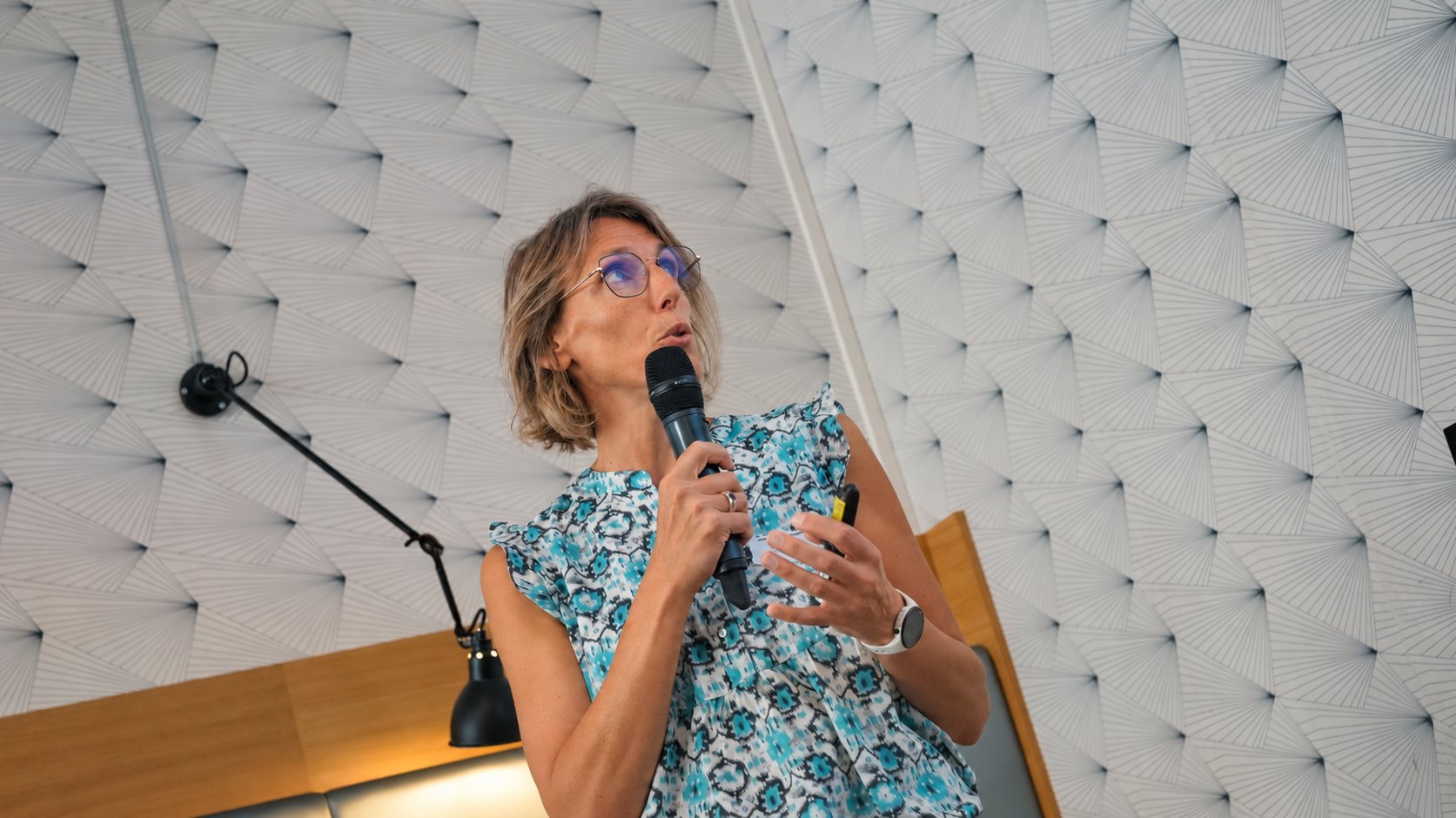
Marinette Dalbard (Capra Alta) presenting the survey results to the room.
Three non-negotiable conditions for succeeding on WhatsApp
Consumer buy-in is not unconditional. The Capra Alta study brings out three systematic requirements.
Data privacy. Consumers want to know their conversations are not used for other purposes. Where data is hosted and how it is processed is central, particularly under the Swiss (nFADP) and European (GDPR) regulatory frameworks. Our Security page sets out how the Sandra platform handles this.
Explicit consent. No unsolicited contact. Opt-in is expected as a baseline rule. Implicit or verbal consent is not enough: it must be documented and obtained before any first commercial contact. Our GDPR and nFADP guide covers the practical steps.
Ease of use. The channel has to work without friction. If the experience asks anything extra of the consumer, interest disappears immediately.
WhatsApp is not a channel for brand content or unsolicited push. It is made for fast, useful, requested exchanges. Companies that approach it any other way will reproduce exactly the friction their customers are trying to escape.
Marinette Dalbard, co-founder, Capra Alta
Traditional channels and WhatsApp: what actually changes
| Dimension | Traditional channel (phone, email) | |
|---|---|---|
| Identity management | Account to create, often reset | Identity already established, no login |
| Perceived response time | Long (email) or on hold (phone) | Short asynchronous, expected within hours |
| Repeating information | Frequent (agent changes) | Conversation history visible to the team |
| Ease of use | Varies by interface | Familiar, daily use for most people |
| Regulatory compliance | Depends on the CRM in use | Requires a Meta-certified operator (BSP) |
Compliance deserves specific attention in Switzerland. Deploying WhatsApp Business API in a B2C context means going through a Business Solution Provider approved by Meta, with hosting and data processing that meet local requirements.
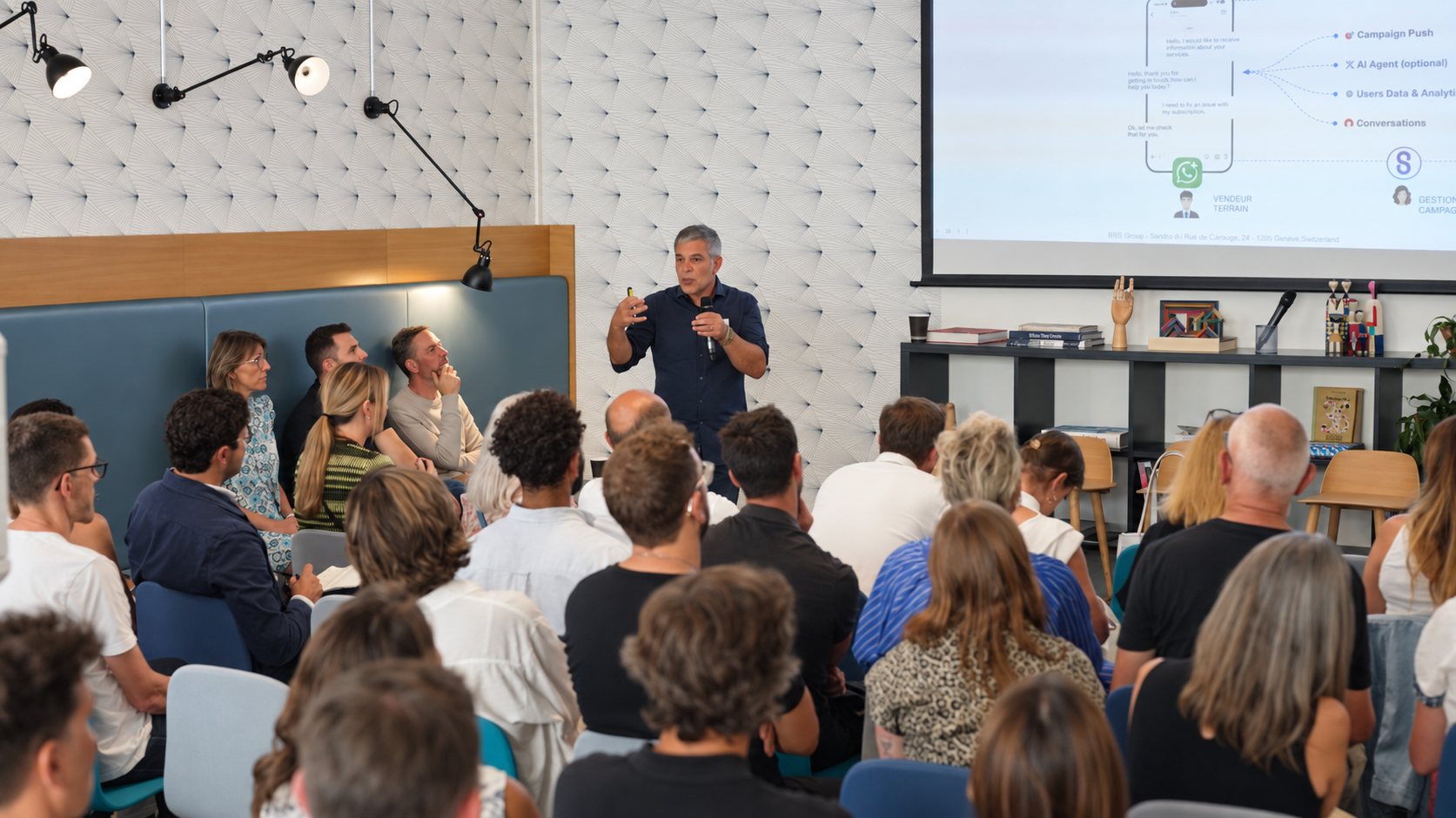
Around sixty attendees at SPACES Geneva, Quai de l'Île.
What companies in French-speaking Switzerland stand to gain, and to lose
The Capra Alta study does not predict a possible future. It describes demand that is already there and under-served.
63% of consumers ready. 89% who see WhatsApp as a substitute. And a large majority of companies in the region still absent from the channel.
Those who act first will enjoy a simple advantage: being present where their competitors are not. That advantage is temporary. As usage becomes normal, differentiation will come from execution quality, speed, personalisation and CRM integration, not from mere presence on the channel.
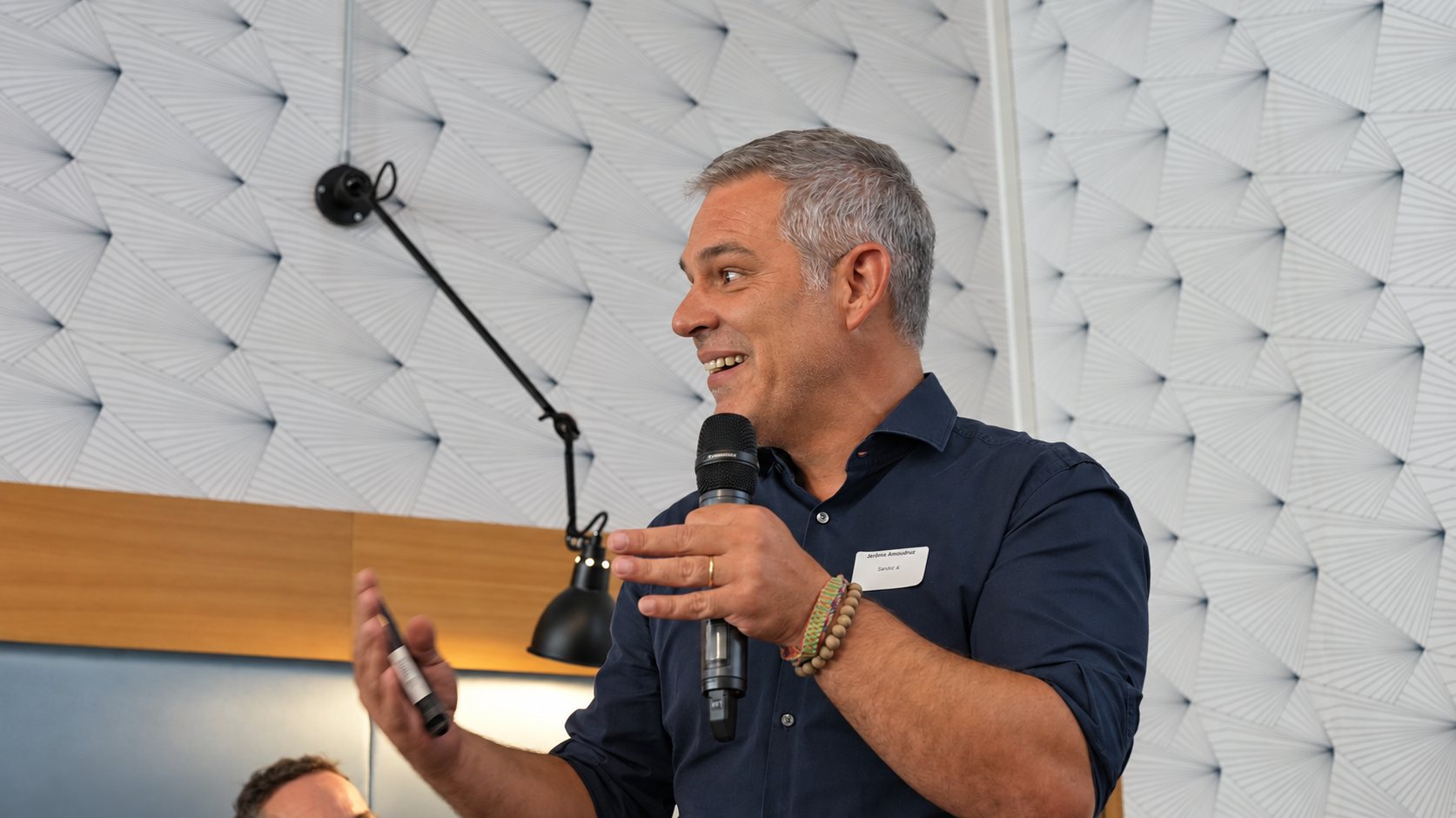
The panel brought together Capra Alta, Soleil Digital, DigLM and Sandra, moderated by OnFuture.
FAQ
Can WhatsApp fully replace a traditional customer service desk?
For common use cases, information requests, order tracking, simple complaints, yes, gradually. A successful transition requires integration with the existing CRM and team training. WhatsApp complements first, then replaces, depending on how mature the organisation is.
Can every company use WhatsApp Business API?
The WhatsApp Business API is open to companies of all sizes through a Meta-approved operator. SMEs and large accounts can both rely on it. The contractual and technical framework varies with volumes and the CRM integrations required.
How should consent be collected before contacting users on WhatsApp?
Consent must be explicit, documented and obtained before any first commercial contact. It can be collected through a web form, a checkbox at the point of sale, or during a first inbound interaction. Verbal or implicit consent is not legally sufficient.
Does the study cover the whole of Switzerland?
No. The Capra Alta study (summer 2026, 416 respondents) covers French-speaking Switzerland specifically, with a sample representative by gender, age, canton and socio-professional category (FSO 2024). Extrapolating to German-speaking Switzerland or Ticino would require a separate study.
Which sectors have the most to gain from adopting WhatsApp?
Sectors with high inbound contact volumes, retail, e-commerce, insurance, real estate and financial services, benefit fastest from a fast asynchronous channel. The most frequent use cases: order tracking, appointment booking, answers to recurring questions.
WhatsApp in French-speaking Switzerland: not a trend, an opportunity to seize now
63% of consumers in the region are ready. 89% expect a substitute for their current channels, not one more channel. And most companies in the region have not yet made the move.
The market is not waiting. Companies that deploy WhatsApp now settle into a space where their competitors are still absent. Those that wait will find the ground already taken.
Sandra supports companies in deploying WhatsApp Business API, from the platform to CRM integration and nFADP and GDPR compliance, with data hosted in Switzerland. To assess what WhatsApp can bring to your customer relations, talk to our team.
Source: Capra Alta study, summer 2026. 416 representative respondents (gender, age, canton, socio-professional category, FSO 2024), aged 18 to 65, French-speaking Switzerland. Commissioned by Sandra (Conversational Group SA, Meyrin). Full study available on request.
Read next



Conversations that convert
A 30-minute demo is enough to see what your WhatsApp channel can produce. In Geneva or by video call.